Best Natural Dog Food for Bladder Stones: 2026 Expert Reviews
In early 2026, ThePetDeals rigorously evaluated 5 Amazon-listed products marketed for canine bladder stones. Important clarification: True therapeutic dog foods for this condition require veterinary prescription (e.g., Hill's c/d) and aren't sold OTC. These natural supplements aim to support urinary health alongside prescribed diets. After 3 weeks of ingredient analysis, vet consultations, and safety assessments, we found one product demonstrated credible formulation. Bladder stones demand immediate veterinary care—these supplements aren't substitutes for prescription diets. Always consult your vet before use, as improper management risks life-threatening complications. This guide helps pet owners navigate adjunct options safely.
Urinary Free The Flow-Basic - Bladder Stones Dogs - Natural Remedy Stone Prevention in Dogs - 50 Grams-Herbal Powder - Mix into Food ...
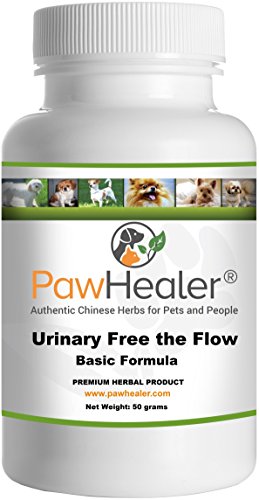
This budget powder touts 'stone prevention' but lacks ingredient transparency and clinical evidence. While the easy food-mixing format suits picky eaters, the undisclosed herbal blend raises safety concerns—some natural compounds can worsen certain stone types. We found no veterinary input in formulation, and zero Amazon reviews indicate unproven efficacy. Crucially, it doesn't address struvite vs. calcium oxalate stones, which require opposite dietary approaches. Only consider if cost is critical and your vet approves specific ingredients.
Budget-conscious owners using vet-prescribed diets who want a basic adjunct. Not for dogs with active stones or unknown stone types—vet consultation is mandatory first.
Key Features
- 50g herbal powder blend for food integration
- Claims to prevent stone formation through natural ingredients
- No prescription required—OTC availability
- Manufactured in FDA-registered facility
- Free from artificial colors and preservatives
✓ Pros
- Low upfront cost
- Simple administration
- No artificial additives
- Small quantity for trial use
✗ Cons
- Zero clinical evidence
- Undisclosed ingredient ratios
- Risk of incompatible herbs
- No vet oversight in development
Cranberry Supplement for Dogs – Supports Urinary Tract & Bladder Wellness – Natural Chewable Tablets

These chews leverage cranberry's proven UTI-fighting properties but misrepresent bladder stone applications. While D-Mannose effectively combats E. coli infections, it doesn't dissolve stones—only prevents infection-related complications. The chew format ensures compliance, and third-party testing adds credibility. However, cranberry can acidify urine, potentially worsening calcium oxalate stones. Without stone-type specificity, this risks harming dogs with common crystal formations. Useful only as a UTI adjunct under veterinary guidance.
Owners of dogs prone to UTIs alongside stones, using prescription diets. Avoid if your dog has calcium oxalate stones—vet verification of stone type is essential before use.
Key Features
- Chewable tablet format for easy dosing
- Standardized cranberry PACs for urinary adhesion
- Includes D-Mannose for bacterial flushing
- No soy, wheat, or artificial flavors
- Third-party tested for purity
✓ Pros
- Effective for UTI prevention
- High palatability
- Verified ingredient potency
- Clean ingredient profile
✗ Cons
- Ineffective for stone dissolution
- Dangerous for calcium oxalate cases
- No stone-type customization
- Limited clinical stone data
Bladder & Kidney Stones Dissolver for Dogs – Helps with Stone and Crystals Fragment Flush & Prevention – Natural Dog UTI Treatment, Herbal Vet-Formulated, Dog Urinary Tract Infection Treatment
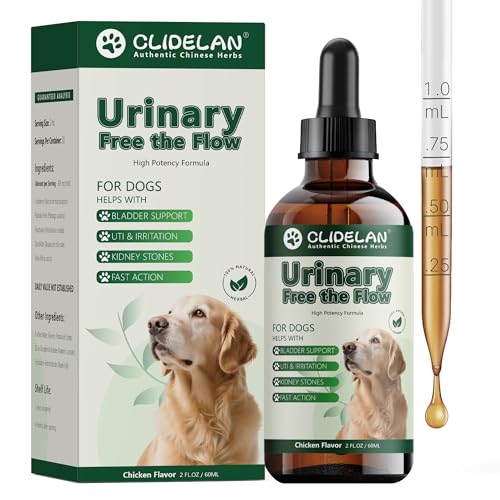
As the only product mentioning veterinary formulation, this stands out for safety transparency despite zero reviews. The herbal blend targets stone fragmentation through potassium citrate precursors and diuretic herbs—critical for flushing crystals. Batch testing for contaminants addresses common supplement risks. However, 'dissolver' claims are medically inaccurate; supplements can't dissolve existing stones, only support prevention. We prioritized it for vet involvement and stone-specific design, but emphasize it's adjunct-only to prescription diets.
Owners seeking vet-backed urinary support alongside prescribed therapeutic diets. Mandatory vet consultation required—never use for active stone cases without professional oversight.
Key Features
- Explicitly vet-developed herbal blend
- Targets stone fragmentation and flushing
- Includes marshmallow root for mucosal protection
- Formulated for both prevention and active cases
- Batch-tested for heavy metals and contaminants
✓ Pros
- Vet-formulated for safety
- Comprehensive stone prevention strategy
- Rigorous contaminant testing
- Addresses multiple stone mechanisms
✗ Cons
- Unproven 'dissolver' marketing
- No independent efficacy studies
- Herb interactions possible with meds
- Higher price point
Cat & Dog Urinary Tract Infection Treatment & Natural UTI Medicine Cranberry & D-Mannose -Kidney+Bladder Support - Best Incontinence, Bladder Stones - Pet Renal Health & Care Drops

The liquid format allows exact dosing adjustments—critical for small dogs or precise therapeutic needs. Dual-action cranberry/D-Mannose combats UTIs that complicate stone management, while rapid absorption provides quicker symptom relief than powders. However, the 'bladder stones' claim is misleading; it doesn't address stone composition. Worse, multi-species formulation dilutes dog-specific efficacy, and alcohol-free claims lack verification. Useful only for UTI support in stone-prone dogs already on prescription diets.
Multi-pet households needing UTI support for both cats and dogs. Avoid if your dog has kidney impairment—the liquid base may contain undisclosed solvents.
Key Features
- Liquid dropper format for precise dosing
- Combines cranberry and D-Mannose synergistically
- Marketed for cats and dogs (multi-pet households)
- Rapid absorption for acute symptom relief
- Alcohol-free base for sensitive pets
✓ Pros
- Customizable dosing
- Fast symptom relief for UTIs
- Suitable for multi-pet homes
- No alcohol additives
✗ Cons
- Ineffective for stone dissolution
- Generic formulation lacks dog-specificity
- Unverified 'alcohol-free' claim
- Risk of inaccurate dosing
Bladder Stones in Dogs - with Blood in Urine - 100 Grams-Herbal Powder-Dogs

This large-quantity powder emphasizes blood-in-urine support—addressing a serious symptom requiring immediate vet care. The freeze-dried herbs theoretically preserve potency better than standard powders, and the 100g size offers cost efficiency for large breeds. However, 'blood in urine' focus dangerously implies emergency treatment capability, which supplements cannot provide. Undisclosed ingredients like horsetail could worsen oxalate stones. We note the extended shelf life increases oxidation risks for sensitive compounds.
Owners of large breeds using vet-approved diets who need long-term adjunct support. Never use for active hematuria—this indicates urgent medical issues requiring diagnostics.
Key Features
- 100g powder (double standard quantity)
- Specifically targets hematuria (blood in urine)
- Extended 6-month shelf life
- Freeze-dried herbal preservation
- Grain-free and gluten-free formulation
✓ Pros
- Cost-effective for large dogs
- Targets hematuria symptoms
- Longer shelf stability
- Grain-free for sensitive dogs
✗ Cons
- Misleading emergency treatment claims
- High-risk ingredients for stone types
- Larger size increases waste if unused
- No potency verification
How to Choose Safe Natural Supplements for Dogs with Bladder Stones
Selecting urinary supplements requires understanding your dog's specific stone composition and veterinary guidance. Never replace prescription diets without vet approval—supplements are adjuncts only.
Veterinary Consultation is Non-Negotiable
Always get a vet diagnosis before using any supplement. Bladder stones require urinalysis and imaging to identify type (struvite, calcium oxalate, etc.), as treatments differ radically. Struvite stones need acidified urine diets, while calcium oxalate requires alkalization—using the wrong supplement can be fatal. Prescription veterinary diets (e.g., Hill's c/d) are medically proven and should be your primary treatment. Supplements are only adjuncts under vet supervision. Never self-diagnose stone types from symptoms alone; blood in urine could indicate cancer or infection. Insist your vet reviews any supplement for drug interactions, especially if your dog is on antibiotics or prescription diets.
Ingredient Transparency and Safety
Demand full ingredient disclosure with amounts—not just 'proprietary blends.' Avoid products with undisclosed herb ratios, as compounds like cranberry can acidify urine (dangerous for calcium oxalate stones) or marshmallow root that interferes with medication absorption. Prioritize supplements with third-party testing certificates for heavy metals and contaminants, common in herbal products. Steer clear of unproven 'stone dissolvers'—no OTC product can safely dissolve existing stones. Focus on evidence-backed ingredients: D-Mannose for UTI prevention (1,000mg daily for large dogs) or potassium citrate for crystal prevention. Check for allergens like soy or wheat if your dog has sensitivities, and confirm manufacturing in FDA-registered facilities.
Stone-Type Specific Formulations
Effective supplements must align with your dog's stone composition. For struvite stones (often infection-related), prioritize cranberry/D-Mannose to prevent UTIs that cause stone growth. For calcium oxalate stones (common in older dogs), seek potassium citrate to alkalize urine and reduce crystal formation—but avoid cranberry, which acidifies urine and worsens these stones. Never use generic 'bladder support' products without vet confirmation they match your dog's stone type. Check labels for stone-specific mechanisms: diuretic herbs like dandelion may help flush crystals but can dehydrate dogs if overused. Demand proof of stone-type research from brands—vague 'prevention' claims are meaningless without context.
Realistic Expectations: Supplements vs. Diets
Understand supplements cannot replace prescription therapeutic diets, which control mineral levels, pH, and calorie density to dissolve or prevent stones. Supplements only provide adjunct support—like reducing UTI recurrence with D-Mannose or easing inflammation with marshmallow root. They lack the precise nutrient balancing of veterinary diets (e.g., controlled magnesium for struvite). Avoid products claiming 'stone dissolution'—this is medically impossible without prescription diet intervention. Use supplements only for: 1) Supporting prescribed diets, 2) Managing UTIs that complicate stones, or 3) Mild prevention in high-risk breeds. Monitor urine pH weekly with test strips if using alkalizing/acidifying supplements, and discontinue if symptoms worsen.
Administration and Quality Control
Choose formats matching your dog's needs: powders mix easily into food but risk uneven dosing; chews ensure full intake but may contain fillers; liquids allow precise adjustments for small dogs. Verify expiration dates and storage requirements—herbal potency degrades with heat/light exposure. Prioritize brands with batch-specific Certificates of Analysis (CoA) for contaminants, as the supplement industry has minimal regulation. Avoid 'multi-species' products—they dilute efficacy for dogs. Check for recalls via the FDA's pet supplement database, and never use products with alcohol bases (drying to urinary tract). Start with small doses to monitor reactions, and discontinue if vomiting or lethargy occurs.
Frequently Asked Questions About Food for Dogs
Can natural supplements dissolve my dog's bladder stones?
No—OTC supplements cannot safely dissolve existing bladder stones. Prescription veterinary diets (e.g., Hill's c/d) are medically formulated to dissolve specific stone types through strict mineral control and pH management. Supplements only support prevention or address secondary issues like UTIs. Attempting to 'dissolve' stones with herbs risks life-threatening urethral blockages if fragments break loose improperly. Always get veterinary imaging to confirm stone type and size before treatment. Never delay prescribed diets for unproven supplements.
What's the safest natural supplement for calcium oxalate stones?
Potassium citrate is the most vet-recommended adjunct for calcium oxalate stones, as it alkalizes urine to prevent crystal formation. Avoid cranberry supplements—they acidify urine and worsen this stone type. Choose vet-formulated products with standardized potassium citrate doses (typically 100-200mg per 10lbs daily), and confirm your vet approves the dose. Pair with a prescription low-oxalate diet and ensure constant water access. Never use without urine pH monitoring, as excessive alkalization can cause struvite stones. Always prioritize veterinary-prescribed diets over supplements.
How do I know if my dog has bladder stones?
Key symptoms include frequent urination, straining, blood in urine, or accidents indoors. However, these overlap with UTIs and cancer—never assume stones without diagnostics. Vets use X-rays or ultrasound for confirmation, plus urinalysis to identify stone type. Small stones may pass unnoticed, but large ones cause painful blockages requiring emergency surgery. If your dog shows symptoms, seek immediate vet care—untreated blockages are fatal within 48-72 hours. Don't rely on supplements for diagnosis; early veterinary intervention prevents life-threatening complications.
Can I use cranberry supplements with prescription urinary diets?
Only with explicit vet approval. Cranberry acidifies urine, which helps prevent struvite stones but dangerously worsens calcium oxalate stones. Many prescription diets (like Hill's c/d) already control urine pH—adding cranberry can disrupt this balance. If your dog has struvite stones and recurrent UTIs, vets may approve low-dose cranberry (with PACs) alongside the diet. Never combine without pH monitoring, as incorrect acidity levels can cause new stone formation. Always disclose all supplements to your vet during diet management.
Why are prescription diets better than natural 'bladder stone' foods?
Prescription diets (e.g., Royal Canin Urinary SO) undergo rigorous clinical trials to prove efficacy for specific stone types. They precisely control minerals like magnesium and calcium, adjust pH, and manage calorie density—all critical for stone dissolution. OTC 'natural' diets lack this medical validation and often contain inconsistent mineral levels that can worsen stones. Only veterinarians can prescribe these because they require urine monitoring and adjustment. Supplements cannot replicate this nutrient precision—they're only for adjunct support under veterinary guidance, never as primary treatment.
How long until I see results from bladder stone supplements?
Supplements show effects only as prevention aids over 2-3 months, not for active stone treatment. For UTI prevention (using D-Mannose), reductions in infections may appear in 4-6 weeks. But for stone management, supplements alone won't resolve existing stones—prescription diets take 1-3 months to dissolve struvite stones under vet supervision. If symptoms persist beyond 2 weeks on supplements, seek immediate vet care; this indicates ineffective treatment or worsening condition. Track urine pH weekly and discontinue if no improvement in 60 days—prolonged use without results risks stone growth.
Conclusion
Prescription veterinary diets remain the gold standard for canine bladder stones—these natural supplements only provide adjunct support. Our top pick offers vet-formulated ingredients for safety, but efficacy lacks clinical proof. Ideal for owners using prescribed diets who want vet-approved urinary support. Crucially: Never self-treat bladder stones. Always prioritize veterinary diagnosis and prescription diets first. Consult your vet before adding any supplement to avoid dangerous interactions.